如何在PYTHON里对类进行属性的添加
1、打开JUPYTER NOTEBOOK,新建一个PY文档。

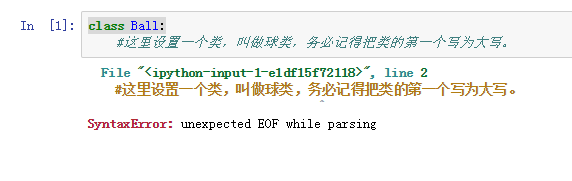
2、class Ball:
3、class Ball:
def __init__():
__init__是初始化方法,为对象设置类可以具有什么属性。

4、class Ball:
def __init__(self):
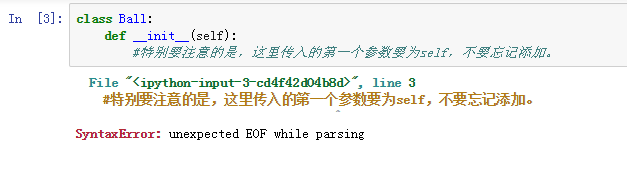
特别要注意的是,这里传入的第一个参数要为self,不要忘记添加。
5、class Ball:
def __init__(self):
print("There are lots of balls.")
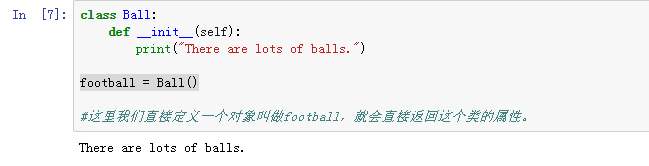
然后像定义函数一样,添加属性。比如设置一个打印语句作为属性。

6、class Ball:
def __init__(self):
print("There are lots of balls.")
football = Ball()
这里我们直接定义一个对象叫做football,就会直接返回这个类的属性。
7、class Ball:
def __init__(self):
print("There are lots of balls.")
self.name = "kick"
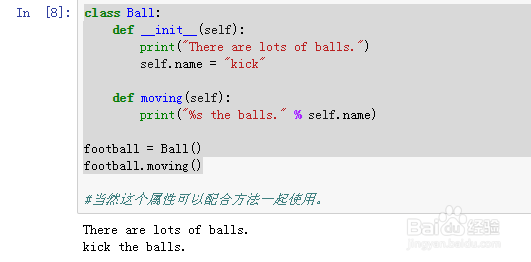
def moving(self):
print("%s the balls." % self.name)
football = Ball()
football.moving()
8、class Ball:
def __init__(self):
print("There are lots of balls.")
self.name = "kick"
def moving(self):
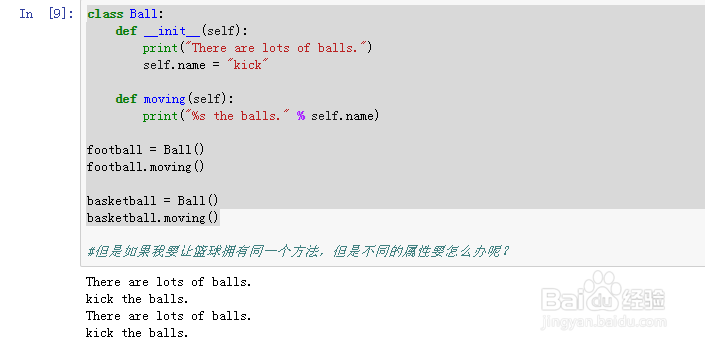
print("%s the balls." % self.name)
football = Ball()
football.moving()
basketball = Ball()
basketball.moving()
但是如果我要让篮球拥有同一个方法,但是不同的属性要怎么办呢?
9、class Ball:
def __init__(self, name):
print("There are lots of balls.")
self.move_name = name
def moving(self):
print("%s the balls." % self.move_name)
football = Ball("kick")
football.moving()
basketball = Ball("play")
basketball.moving()
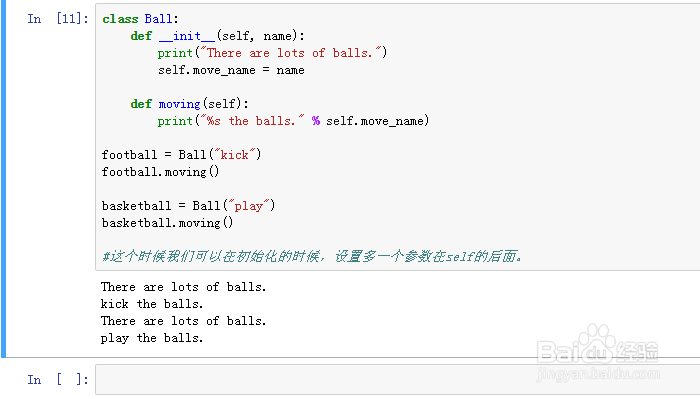
这个时候我们可以在初始化的时候,设置多一个参数在self的后面。